
From rape to revolution
Although our daily news is consistently dominated by prominent figures such as presidents and their newest trade agreements, scientists with life-changing experiment results and athletes who have broken yet another world record; there has been a civilian whose name has hopefully changed the future of our social attitude and judicial regulations regarding rape.
The name: Gisèle Pelicot.
Gisèle Pelicot was an ordinary 72-year-old French citizen until she took her now ex-husband Dominique Pelicot to court in September for drugging and raping her for nearly a decade. The trial ended on the 19th of December, concluding France’s longest rape trial. Out of the 51 defendants, 49 men received convictions for aggravated or attempted rape, and another 2 for sexual assault.
This trial taking place can be The fact the trial was even able to be conducted could be considered a miracle—the reason for this being France’s definition of rape. At the moment, rape is “any act of sexual penetration committed against another person by violence, constraint, threat or surprise”. Hence prosecutors must prove intent to rape. Since Dominique had drugged Gisèle with sleeping pills and anxiety prevention medication in her food and drink, the rape victim was unconscious and therefore could not prove intent. However, this was no longer a problem when Dominique was arrested for taking videos up women’s skirts in supermarkets in 2020. Hence, when the police searched his devices and found another 200 videos titled “Abuse”, it was merely a matter of time for his crimes to be uncovered and the other men involved to be tracked down. The men’s ages ranged between 26 and 74. They were “Mr. Everyday”, with professions running from nurses to firefighters. Men who lived close to Gisèle in southern France. This meant that it was not simply the most ordinary men with the most ordinary professions capable of such abuse, but also that there are an absurd number of men at such proximity capable of ruining a woman’s life for their enjoyment. Consequently, it can be said, as is so often the case, that a woman’s safety is most endangered by the men she knows.
Unlike, in other rape trials, there could be no denying their involvement in the crimes due to the videos. Nonetheless, these “ordinary” men tried to claim that they were under the impression they were partaking in the couple’s fantasy of a threesome where the woman pretended to be unconscious. While this was later proven to be no more than a useless excuse, Gisèle’s husband did not even attempt to refute the judge. Quite the opposite occurred. During the trial, Dominique looked his wife in the eyes and admitted “I am a rapist, like the others in this room,”.
Nonetheless, does Dominique’s admission of guilt truly deliver justice for Gisèle?
The answer sadly remains no. Although Gisèle may have gotten a little justice knowing her ex-husband will be in prison for at least 20 years, she’ll continue to suffer from the distress her husband caused her. Equally, their daughter, Caroline Darian, remains a victim of abuse. A forgotten victim. While the international media continues to press for any information on her mother, the fact is that Caroline cannot take her father to court for his abuse since there is no concrete evidence for her case. The most problematic part of Caroline’s story is that it is not unique. Women of all backgrounds who have suffered sexual assault or abuse have often stated they feel helpless. For some, it is the inexistence of evidence, for others, it is the failure of their country’s judicial system. For example, in France, only 14% of reported cases go to trial and only 13% of those suspects face consequences. Hence, there is a clear flaw in the system. While this flaw has been partially addressed to be improved by providing training to police officers which has increased the amount of reported cases, the justice system seems to continue to fail to sentence the guilty.
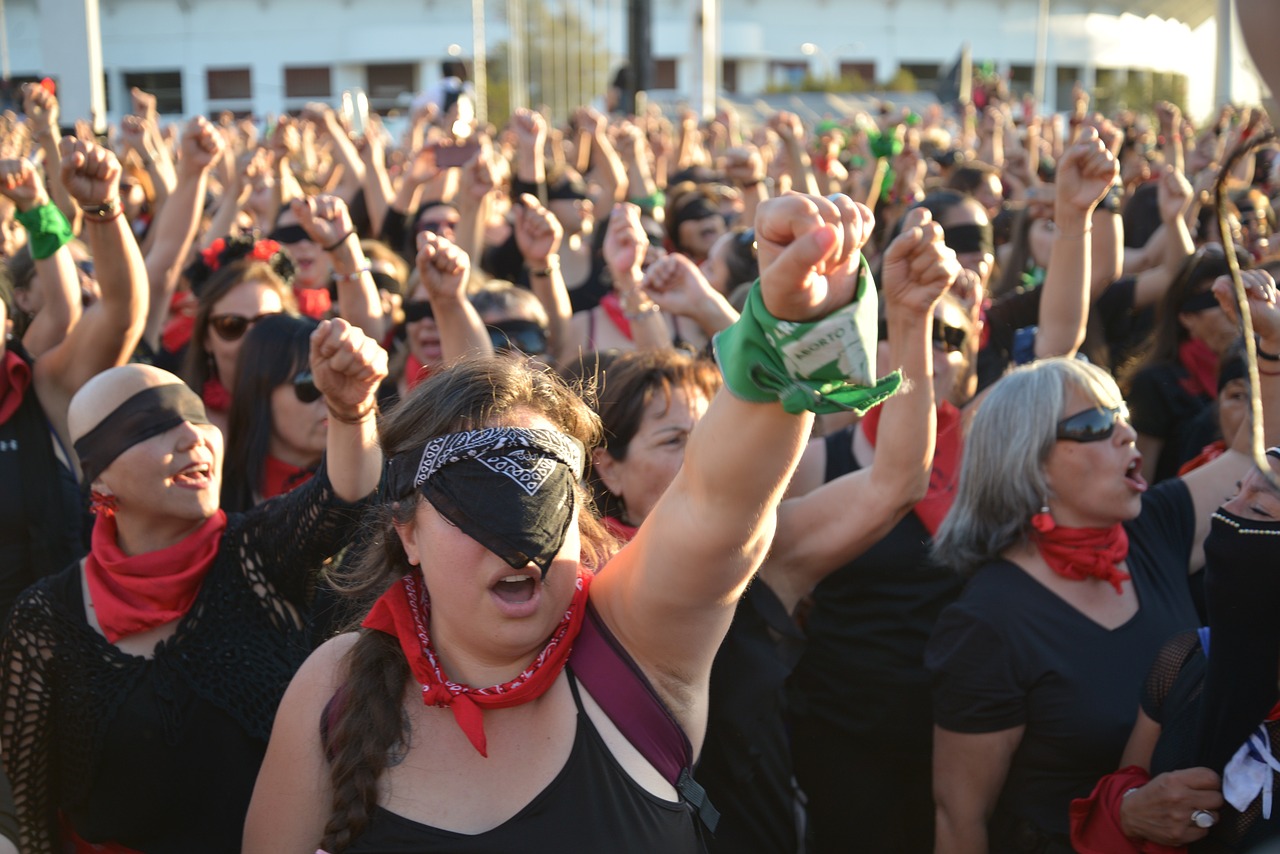
The flaw is the judicial system’s lack of support for victims of rape, sexual assault and abuse. Due to this lack of support, many victims don’t want to step forward. It’s become what can be described as a “culture of silence”. A culture Gisèle wanted to change by having her trial public and recorded. Accordingly, other victims, women, France and the world could see the torture she suffered, but also understand the gravity of violence against women and under what daily interactions it can occur. Instead of victims being afraid to come forward, it should be assaulters who cannot commit their crimes as easily. Therefore, as Gisèle said during the trial, it is time for us as a society to make “shame change sides” – from the victim to the rapist.