
An Ignorant Movie review: Civil War (2024)
Going into this movie, I knew absolutely nothing (hence ignorant), expecting a bland, easily-digestible action movie, akin to the film equivalent of fast food. Boy, was I wrong.
The film is a work of fiction, leaving real-world parallels to be read between the lines, masterfully critiquing real happenings while never forcing through any opinions. This is a film about racism and polarisation, encouraging viewers to draw their own conclusions without feeling lectured. One poignant example- in one particular battle scene, anti-government insurgents are clad in the Hawaii shirts and combat gear of the very real boogaloo movement, a far-right, anti-authority militia. An uninformed viewer would never make that connection, but it does serve to point out the dangers of what fringe political movements can become if left unchecked.
The film centers around two wartime journalists- Lee and Joel, making their way through the small-town America between New York and Washington D.C. to interview the president of an eroding nation. It is, in any definition of the term, a hero’s journey of mythical proportions, as they face trials and tribulations along the way, allying themselves with unlikely characters who turn out far stronger and heroic than they appear. They pick up Jessie, a young wanna-be photographer who idolizes Lee, to go along with them, beginning a mentor-protegé dynamic between the two. This made me think of the relationship between Joel and Ellie in The Last of Us, known for masterfully portraying their challenged, but ultimately loving, relationship to one another.
One thing, however must be said- it can at times be a bit choking with the ‘virtues of journalism’, with the film’s heroine Lee repeatedly stressing these to an emotional Jessie. These virtues are then repeatedly put to the test. The course of the film’s battles are framed by the photos taken by our war photographer protagonists, highlighting the utmost importance they place on journalism. Tense situations are met with the unflinching coldness of objective, stone-cold spectators, reflective of the film’s fixation on the importance of truth and impartiality. This is another strength of the movie, even if it may not be for everyone. Battle scenes, or intense scenes overall (such as the car switch scene) are realised in terms of controlled craziness, again pointing towards the self-discipline needed to keep yourself out of the situation’s midst. Bathed in the pretty, natural light of day, unspeakable tragedy occurs again and again. Our heroes’ coldness and steely determination are incessantly challenged in the ultimate test of their journalist capability to stay removed from the situations they report on.
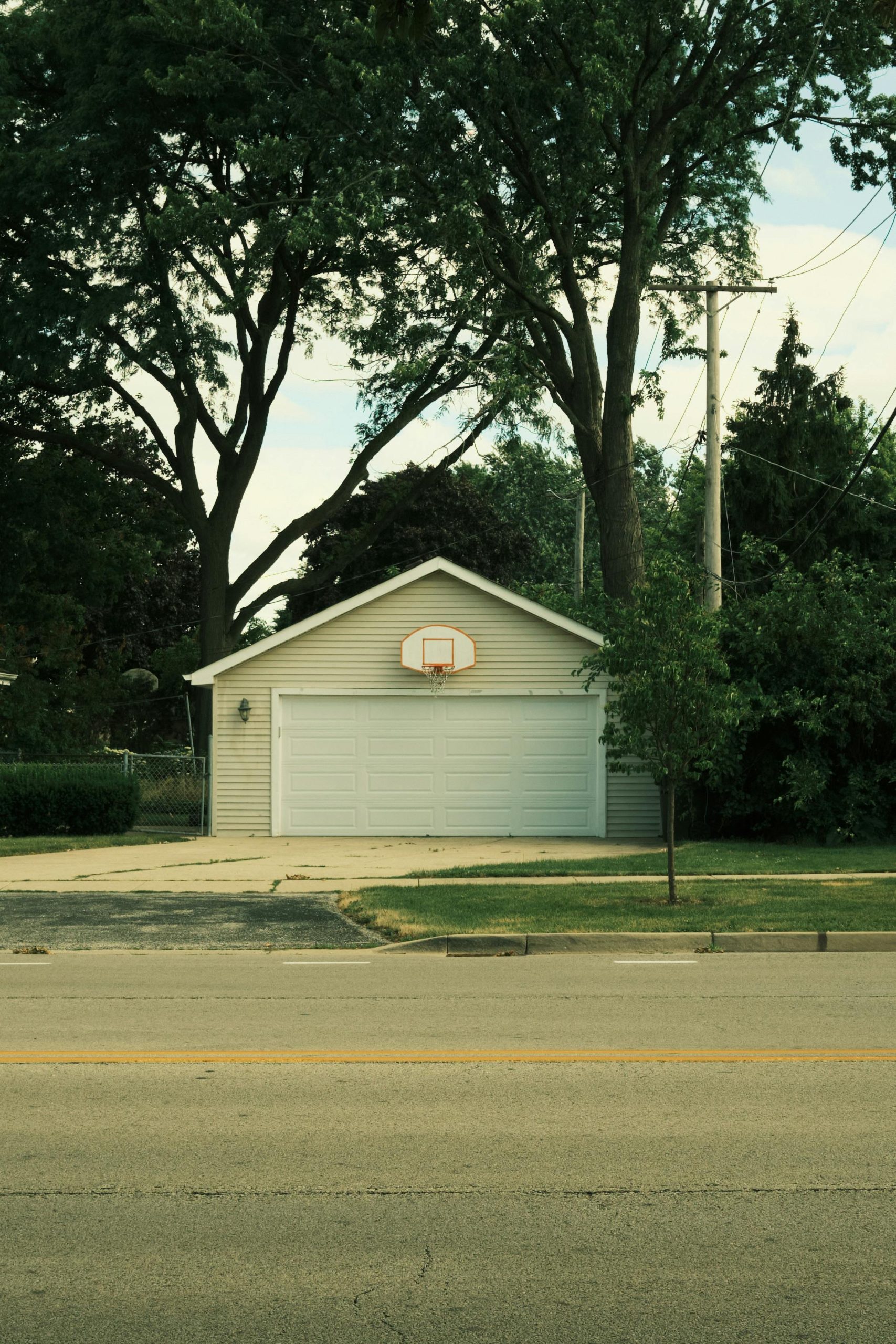
On a visual level, the film nears a veritable work of art. It shines real, small-town America at every opportunity through simpleness, shown through the shots and visuals. When presenting new settings, the shots are usually head-on, emphasising the simplistic direction the film takes. Often very few elements are present on the screen at a time, giving every minute detail an eye-catching quality and rendering it easy to follow along with. It adds a thorough dimension of impact, delegating importance to everything that happens. The main colours are green, white and beige, all of which are shown as light and pastel-tinged. The light is natural, and when it isn’t, this all the more impacts the viewer by way of its stark contrast.Through its colour and light choices, the film breathes springtime. Springtime in small-town America.
This is then where its architecture comes into play. It features both classic wooden midwestern homes straight from a Norman Rockwell painting, as well as soulless, backrooms-esque urban jungles, complete with the obligatory coating of graffiti. Both sides of America, so to speak.
America is thus a major theme of the movie, as the source of happiness, ignorance and ultimately violence. It breathes Americana, without resorting to crude stereotypes or visual elements. Along with its emphasis on polarisation, grand and honourable virtues are constantly thrown around, yet its hollow meaningless is clear to all.
The film also uses silence in a profound way. Cicadas set the tone, sometimes being the only living creatures to be heard in the aftermath of a shootout. The soundscape is meaningful, particularly notable in not using any music in intense moments. It instead uses whimpers, moans and screams as its dialogue, even silence itself. It’s all very atmospheric, and you find yourself holding your breath in tense situations, even if the photographs add a degree of abstraction to the shots.
I found myself consistently making comparisons to The Last of Us, even though they’re entirely different stories. Both feature an epic journey, an experienced & tired mentor with a young naive protegé, a country ravaged by lawlessness and violence, and a dysfunctional national government. Though they share these many elements, the stories told are very differently, but their similarities are a fascinating reminder that much can be done with the same creative building blocks. One scene in particular stands out- in Civil War, a community of activists take over a sports stadium, transforming it into a home for many of the families who’ve had their own homes destroyed in the course of the war. This mirrors the WLF base of TLOU, also in a football stadium, both making visual reference to a type of sympathetic activism with sustainability at its core.
The film’s biggest strength is surely its cast. Most members are well-known, but it also isn’t not star-studded per se. Everyone shines in their roles, bringing an appropriate level of fame to the production; enough to draw attention, but not enough that it allows them to simply portray themselves. The cast is diverse, and reflects real people with real kindness. While no one is a massive star, Kirsten Dunst surely becomes a star, portraying Lee masterfully without resorting to any stereotyped mentor role. Jessie, portrayed by Cailee Spaeny, is too old to be a child, but too young to truly be a part of the world unfolding around her. In the end, she faces the final question- can she put her emotions aside to do her job as a wartime journalist?
The soldier in pink glasses is played by Jesse Plemons, who cements his forté of playing chilling psychopathic characters, building on his portrayal of Todd Alquist, a sadistic neo-Nazi in Breaking Bad. He is the embodiment of uncaring evil, mercilessly and carelessly slaughtering innocent people. “What kind of American are you?” he asks in one of the most impactful lines of dialogue in the film, an intense caricature of the real-life polarisation of America.
Ultimately, it simply doesn’t matter who’s fighting who. As one fighter says- “Someone’s trying to kill us, but we’re trying to kill them”, in response to being asked what was going on. This, I believe, sums up the message quite simply. Violence is violence, regardless of what’s behind it. It is beautifully simple dialogue, but loaded with the ever-present grandioseness of America.