
Erasing History, Endangering the Future: The Case Against Sanitising Our Past
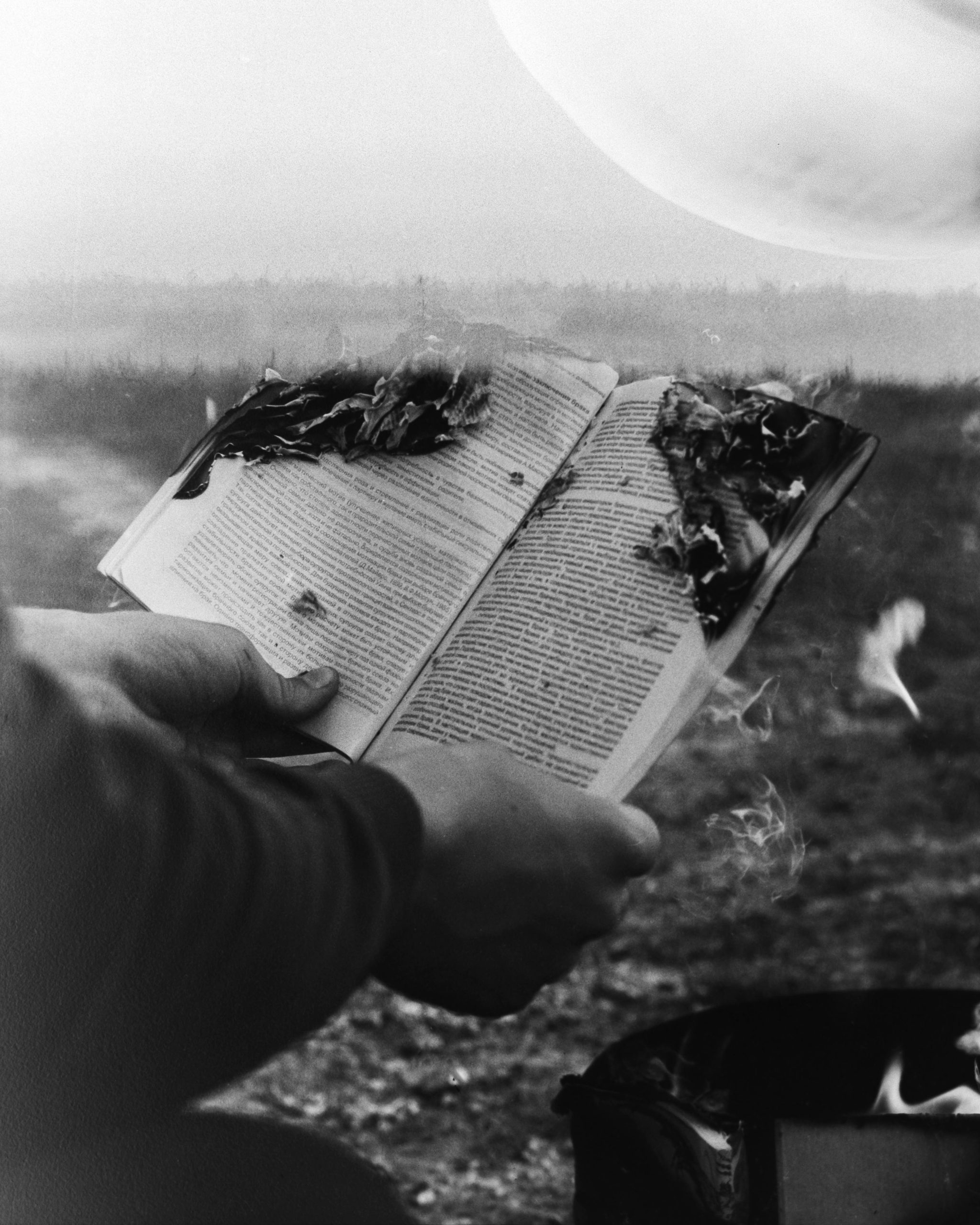
The Perils of Ignoring the Past: Why Erasing History Will Only Lead to Repeating It
Across Japan, a subtle but concerning trend is emerging: the sanitisation of history in schools and Japanese society. Textbooks, Articles, the Curriculum and more often gloss over the darker chapters of Japan’s history—wartime atrocities, colonialism, and imperial expansion are swept under a rug by the leaders of the country, pretending that these things either never existed or by downplaying the severity of past events. In contrast, this is framed by the nations around the world as protecting national pride while fostering unity at the same time. However, the real danger lies in the opposite: when we refuse to face our dark past in the eyes, we doom the future generations that will come to repeat the mistakes of the old. History itself is uncomfortable to frail and learn the story that once was reality for our ancestors. It reveals painful truths about exploitation, violence, injustice, inequality and so on. Yet, I believe that confronting these truths is the essential choice for building a better future, since only from its own mistakes can a human learn to pave the road to a brighter tomorrow. Erasing them from educational curricula sets up a chain reaction that will lead to an ignorant society where denial could lead to a false understanding of their own identity where the reputation of past errors is imminent.
The Cost of Silence: How Erasing History Fuels Ignorance and Division
Supporters of historical erasure argue that discussing difficult topics, such as racism and colonialism, divides the nation by diminishing the trust of the public in the government deeming it unworthy to represent them after the actions that its past leaders have taken. In addition, it would divide the people in different sections where some people feel that some actions were necessary for the establishment and the stability of their nations while others might feel the ends do not excuse the means, feeling disgusted by their own past. They also claim that children shouldn’t be burdened with these uncomfortable truths as they were not the ones that have lived during those troublesome times, while speaking of the innocence that the young students are losing when they are taught such horrible facts about the world. However, the real danger isn’t division—it’s ignorance. When students are shielded from the realities of history, they are deprived of the tools and means to understand present-day issues. Racial and gender inequality, estranged political relations with other countries, police brutality, and economic disparity didn’t appear out of nowhere—they are the legacy of past injustices that remained rooted in our society, continuously shaping it to these days and will still do so in the future unless nations take actions to educate the future and present generations about them.Japan offers a perfect example of the risks of erasing history. For decades, its education system has faced official criticism for ignoring the atrocities committed by Imperial Japan during World War II, though it seems that the biggest majority of the population has remained oblivious of it . It spans from the Nanjing Massacre to the exploitation of “comfort women,” these events are often minimized or omitted altogether in Japanese textbooks, pieces of media, articles or even official ceremonies. This not only leads to a population that is unaware or dismissive of the suffering which was inflicted on its neighbours but observed as well in a recent example surrounding the Sado Island Gold Mines. In November, Japan held its first memorial ceremony at the mines which during WWII employed under harsh conditions considered abusive by today’s standards, various South Korean workers. The officials attending the ceremony have not only downplayed the severity of the conditions they were put under but also refused to give an official apology to South Korea and the families of its victims. This led to South Korea boycotting the event, creating new tensions while reigniting old ones between the nations over historical issues that the citizens of Japan might not even be necessarily aware of themselves.By denying these historical truths, we create space for myths and distorted narratives to thrive. This is not only the case in Japan but also in various other countries across the globe. We risk teaching students a version of history that doesn’t include the contributions and struggles of marginalized groups. It’s a history devoid of the voices of the oppressed, moulding its content of what happened to fit an agenda boosts national pride and saves face in the long run, as the people that have lived in those times would have died and the dark past won’t be relevant anymore.
Germany’s Example: Confronting the Past
Germany provides a stark contrast to Japan in its approach to historical education. After World War II, Germany, unlike Japan, was the poster boy of a troubled history which was critiqued by a lot of people that lasted till modern times. However it made significant efforts to confront the horrors of the Holocaust and Nazi regime. Holocaust education is mandatory, with students visiting concentration camps and learning about the atrocities committed under Nazist rule. Moreover, it has apologised numerous times to the nations that they have hurt in the past and even made amends to them and to the families of the ones that have died and suffered in the war they caused. This transparency has not weakened Germany as most supporters of historical erasure believed— instead it has strengthened it.By fully acknowledging its darkest moments, Germany has cultivated a culture of accountability. The lessons learned from its past have become the very foundations that built its modern identity together with the values of human rights and democracy that it preaches to the world. Germany’s approach shows that confronting uncomfortable history doesn’t weaken a nation— rather, it makes it stronger and more resilient in times of trouble. It ensures that future generations understand why these atrocities must never be repeated. Not only that but from its actions it also urged other countries to introduce War World II as part of their mandatory curriculum in schools in the post-war era, leading to a population that is educated on these matters and understands the dire consequences those past errors would have on modern society if they were to be repeated.
Moving Forward
In the end, the past isn’t just a mere collection of dates and events—it’s the foundation upon which nations have been built and stand tall, a foundation for which a myriad of people have given their lives. Ignoring or erasing uncomfortable truths doesn’t protect a society, it stunts its growth. Nations that sanitise their history may create an illusion of perfection, likewise all things in nature, time begins to wear it down., cracks will slowly but inevitably appear and the hidden truth now unravelled by unstoppable erosion will emerge to the surface for everyone to see. The longer the truth is suppressed, the greater the unrest—leading to consequences far more troublesome than the flaws which were once concealed. That is why facing history isn’t an option, it’s a necessity.To move forward, nations must embrace the full scope of their histories, including the darkest chapters. Teaching history honestly isn’t about assigning blame—it’s about fostering understanding and responsibility. It’s about acknowledging the pain of those who suffered and honouring their resilience by creating a better future. If not anchored in truth, then how could one’s identity ever be considered genuine?