
Melting Mountains: Can the 2026 Winter Olympics Survive the Climate Crisis?
Introduction
The 2026 Winter Olympics, prepared to take place in Milan and Cortina d’Ampezzo, Italy, are being hailed as a return to Europe’s alpine sports legacy. However, they are facing a major challenge: Climate change has raised the temperatures over the years rendering winter sports unsustainable, as it becomes increasingly harder for natural snowflakes to form.
Winter is dying and so are the sports tied to it. The Alps in Europe have lost 34% of their snowfall in the past century, and the decline has accelerated in the last decades of the 20th century, with most mountain peaks in Europe being sustained by artificial snow.(Reuters, 2025). Ski Resorts all over Europe are fighting against the new world shaped by increased temperatures by using artificial snow, yet those come at the cost of millions of liters of water and high energy consumption which could be distributed to other sectors.This begs the question of whether the Winter Olympic Games could survive in Italy or whether it should take place somewhere else? Or will this be the last one of its kind that we shall witness?
Climate Change and the 2026 Winter Olympics
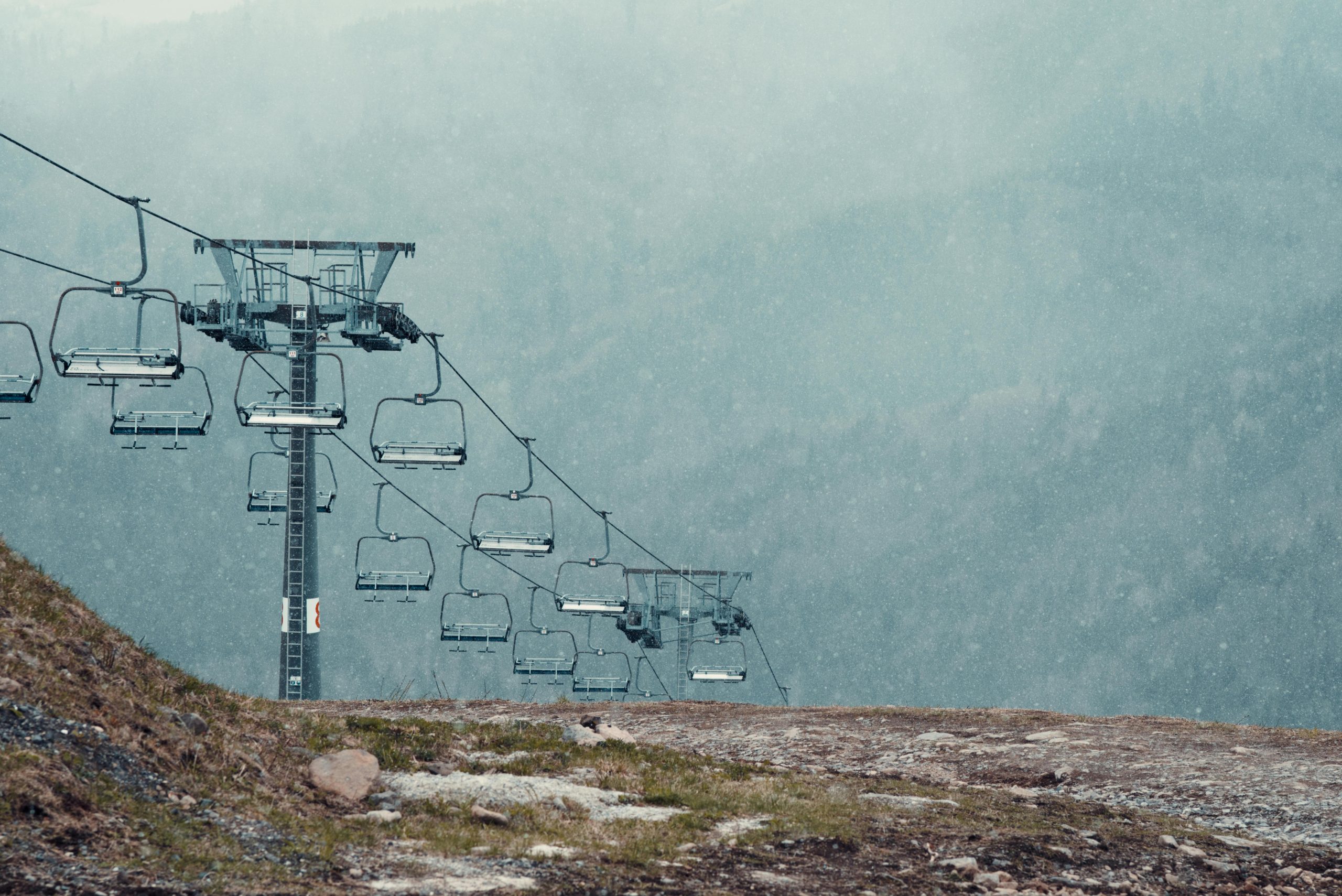
The Alps—particularly in Cortina d’Ampezzo—are seeing warmer winters and shorter snowfall seasons. Some reports given by environmental scientists have highlighted that at the rapid decline the weather around the world is changing, by the end of the century most of the popular ski resorts nowadays will be a memento of the past,continuing to exist only in the memories of people and the pictures taken of them. However this is not a struggle of the “now”, as in the past concerns have been raised on the important role that snowflakes play in preserving the chilly ecosystem on the mountains. Take the lead-up to the Beijing 2022 Winter Olympics for example, where organizers were forced to almost entirely rely on man made snow, setting a precedent for Milan-Cortina 2026, which is expected to use similar unnatural snowmaking technology (CHAN, 2022). While the artificial snow can maintain the visual aesthetic that we all know and love, the costs for creating it are on the rise every year, making it progressively tougher for such sports to be maintained. Not only that, but it comes with unknown risks for the athletes performing. Since artificial snow can create conditions that are unpredictable from icy and dangerous slopes to hidden frozen stones under the snow which could make the athletes lose control of their balance, falling and injuring themselves.Now, Milan-Cortina faces the same problem. Even in the Alps, natural snowfall isn’t enough anymore. The Olympics were supposed to be a celebration of human abilities, instead nowadays they are just like a leech draining the resources from its host, while endangering it at the same time. If we want to continue hosting the Winter Olympics I believe it is of utmost importance that we start reducing the pollution factors that have triggered the aggressive melting, before it’s too late. One must just look back in the annals of time to see the urgency of the problem that we have at hand.The 1924 Chamonix Winter Olympics were held with entirely natural snowfall, while the 1984 Sarajevo Games enjoyed ideal skiing conditions. Today, resorts that once thrived naturally are struggling to keep up. What happens when even artificial snow is falling short? Well the simple answer is the ski resorts will be abandoned waiting for nature to reclaim them once more.This crisis should be the wake-up call that drives humanity to take responsibility for our planet—waiting for even greater catastrophes is not an option we can afford to take.
Sustainability vs. Tradition: The Most Unsustainable Olympics?
The Eugenio Monti sliding center in Cortina is set to be rebuilt at a cost of $80 million, even though Italy could have used existing venues in Europe which have still been preserved. To many specialists it seems that Cortina holds cultural and historical values to the practitioners of the winter sports which can’t be found anywhere else.(Reuters, 2024). Critics argue that this is an environmental disaster, as the Dolomites—a UNESCO World Heritage Site—will suffer deforestation and habitat destruction. Besides that due to the lack of natural snowflakes, the organizers will be forced to use special tools, such as water canons,to create their own ice, which could lead to more pollution and worsen the climate change. Similarly, the Milan-Cortina Games have sparked debates over financial sustainability.
Should the Winter Olympics Have Permanent Host Cities?
Some experts propose a radical solution: a rotating set of permanent Winter Olympic host cities in reliably snowy regions, such as Norway, Canada, Switzerland or Finland.The argument being that this will lift the burden from countries which no more have the ability to host the games, while ensuring the sports’ survival, by moving to countries which will still own the necessary natural resources for the foreseeable future. Moreover, historically the ancient Greek Olympics were always held in Olympia, their place never changing. I would argue that the winter sports might also benefit from a similar fixed-location model, instead of forcing cities which already struggle with their own local problems to host the games.
Is Skiing Becoming a Luxury Sport?
Beyond the Olympics, it seems that the winter sports widely cherished are becoming less accessible to the middle class due to the rising costs, their maintenance costs entail. Former Olympians have warned that skiing is at the risk of becoming a sport only the wealthy can afford, but it’s only one of many more to follow in the near-future. The reasons for the increase in costs might vary from country to country, city to city, but the most general ones span from the high energy costs to drive up operation expenses. Some examples would range from the water canons needed to preserve the slopes to the gondola lifts that are in charge of moving tourists and practitioners to the top. This also ties in with the high production costs of the artificial snow which all together increase the ticket price, in countries already prayed on by inflation.
A Race Against Time: Can the Winter Olympics Adapt?
With climate change accelerating, Milan-Cortina 2026 and future Games must adopt solutions to remain viable. I am of the opinion that potential adaptations could be found: the eco-friendly innovations in snow production could potentially lead to low-energy fake snow that could reduce environmental impact, while also keeping the necessary costs as low as possible, saving nature and exempting the economies of countries at the same time. As mentioned above, one of the most popular solutions that we have at hand is the: the Cold-Weather Rotation Model – highlights that only cities with guaranteed natural snowfall should host the Winter Olympics. The last solution provided might be the transfer of some winter sports in indoor climate controlled facilities as seen in countries such as China or Japan – .No matter what the solutions are, the main decision relies on The International Olympic Committee (IOC) which in the past years has been slow to implement meaningful climate policies. If the Winter Olympics do not adapt, we may soon witness their extinction.
Conclusion
The 2026 Winter Olympics will serve as a turning point for winter sports. With rising temperatures, increasing costs, and sustainability concerns, the future of the Winter Games is uncertain.If no action is taken, the Winter Olympics may no longer be viable in the coming decades. The world must decide: Are we witnessing the last traditional Winter Olympics, or the first of a new era?
Further readings:
- Pollina, E., Corvino, C., & Greco, C. (2025, February 3). Snow in short supply as Italy gears up to host the Winter Olympics. Reuters. Retrieved from https://www.reuters.com/sports/with-games-countdown-cortina-races-build-sliding-centre-2025-02-03/
- Woodford, J. (2024, March 13). One in eight ski resorts worldwide could have no snow by 2100. Retrieved from New Scientist website: https://www.newscientist.com/article/2422017-one-in-eight-ski-resorts-worldwide-could-have-no-snow-by-2100/
- CHAN, K. (2022, February 5). EXPLAINER: How to stage Olympics in a snow-challenged city. Retrieved February 10, 2025, from The Seattle Times website: https://www.seattletimes.com/sports/olympics/explainer-how-to-stage-olympics-in-a-snow-challenged-city/