
Blurred Flavours: How Globalization Has Redefined Cuisine
The word cuisine is to some simply a fancy way to say food, but to others, it is an art form. A cuisine is far more than the dictionary definition of “a style of cooking”. Cuisine is the mastering of distinctive ingredients, and techniques that blend together to create dishes associated with specific cultures or regions. While food is a universal necessity, cuisine is a culinary experience that tells a story of a place, emotions and culture. Yet, this type of storytelling has become rare as even cuisines become affected by globalisation.
Cuisine is a gateway to understanding people. Nonetheless, with our reality becoming evermore globalized and intertwined cuisines have begun to lose their touch of uniqueness. Of course, no one can truly replicate the Neapolitan pizza better than a pizzaiolo napoletano (Neapolitan pizza maker). However, as migration increases so does the movement of nationals who teach their perfected art form of national dishes to foreigners. This phenomenon leads to at least one Italian restaurant existing even in the rarest of places. It has also led to the creation of fusion cuisine.
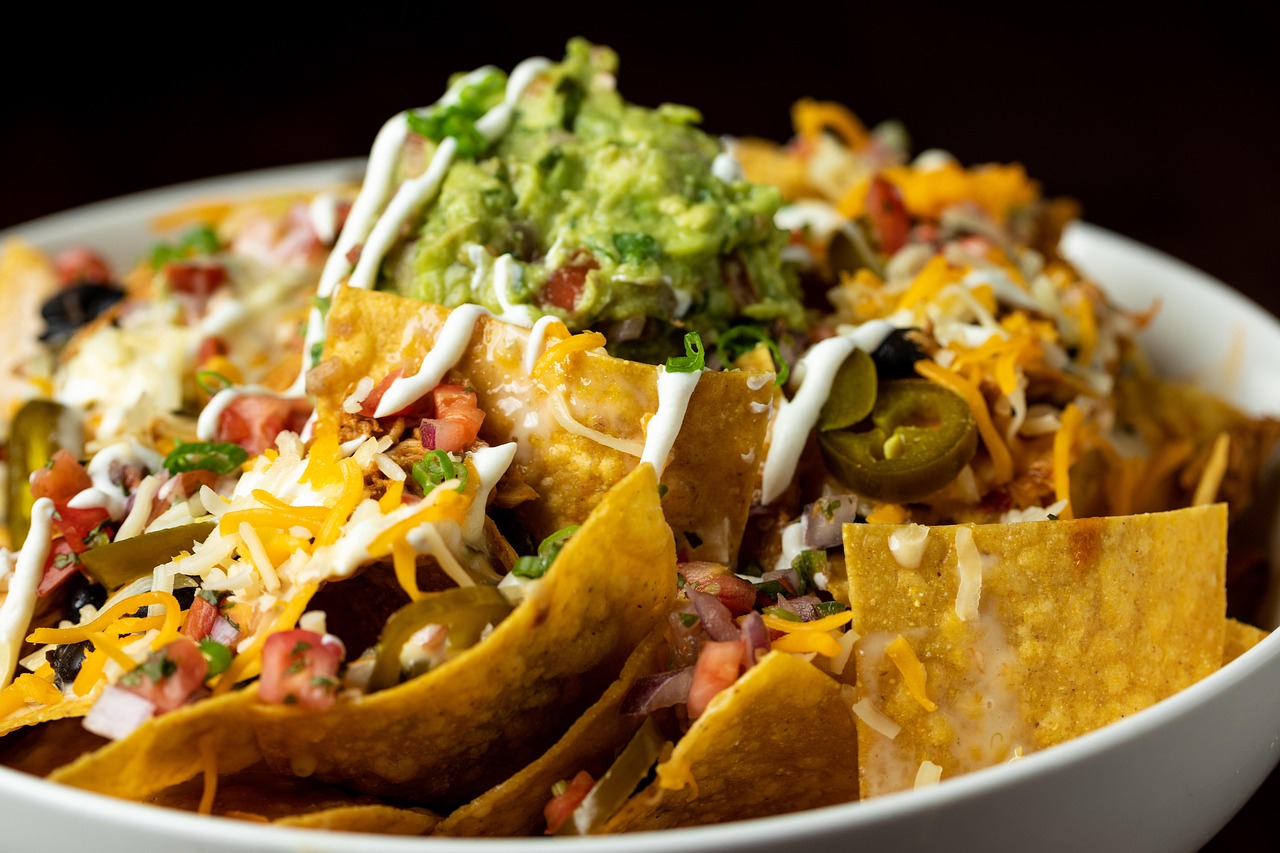
Simply put, fusion cuisine is the combination of elements of different culinary traditions from different regions. Easily the most known fusion cuisine is known as Tex-Mex; a combination of food from Mexico and Texas. In the early 18th century, Mexican immigrants, Native Americans and American settlers lived together in what we now call Texas. As the Tejano people, Spanish-speaking residents of Texas, introduced various ingredients like corn and chiles to the other groups, a style of cooking originated; Tex-Mex. The first popular Tex-Mex dish was chilli con carne. Another common dish is nachos. These were curiously created by accident by Ignacio Anaya in Piedras Negras, Coahuila, Mexico. Although it was first created in Mexico, it is a dish that when ordered in a Mexican restaurant in Mexico you are immediately labelled as a “gringo” (foreigner). The reason for this is that Mexicans have not accepted this dish as part of their cuisine, they see it as a continuous way the US is attempting to diminish Mexican authenticity and trying to Americanise their traditions. This remains true even when dishes like nachos were created by Mexican immigrants and not simply by Americans who are pursuing to appropriate Mexican culture for commercial gain.
In contrast to the issues of globalization that nachos highlight, the famous rice with refried beans dish causes the opposite problem. While you can order this dish even in the remotest parts of Mexico and everyone perceives it as a classical Mexican dish, it first appeared in 1900 in Texas. Same as with Fajitas, which were created in Texas and yet are still thought of as “Mexican”. Hence, as generations travel across borders, so do traditions and cultural culinary practices. To the extent that what we consider “authentic” food may be fusion and what we think is fusion is indeed authentic.
Though alone the idea of “authentic cuisine” is contested. Throughout evolution, food has been vital for our survival. However as our society developed more, food became a pleasure and an art form that creates dishes in which certain groups and countries take immense pride. Yet, immigration patterns have often made it difficult to pinpoint where exactly a dish has originated from; and with globalization increasing, arguments about where certain national dishes are truly from have come to light. For example, the sweet pastry made of layers of filo with chopped nuts and honey or syrup, baklava, has been the reason for a long-standing dispute between Turkey and Greece. Both countries claim it as their national dessert. Turkey took the issue so far as to Brussels with its status as an aspiring member of the EU. Back in 2013, the EU then awarded the ‘protected status’ to the Turkish Gaziantep baklava, shattering the dreams of the Greeks. Consequently, though cuisines are meant to teach us about the diversity of cultures that exist on our planet, certain dishes can be the reason for tensions to come into existence.
Ultimately, as we dive into a delicious plate the flavours may clash first with our tastebuds, but what follows is a rich tapestry of a historical tale of a deeply embedded culture. Whether that culture has been under foreign influence or is truly “authentic”, it is through a meal that we come together. Although not every nation may agree on the origin of a dish and a majority of civilians will have the wrong idea about “authentic” cuisine, fusion cuisine has allowed us to explore nations’ collaboration in a new format. Therefore, food is more than substance, cuisine is more than a style of cooking, it is a way in which we can exchange appreciation and knowledge of our traditions, ancestors and flavours.