
Ban social media for adults instead
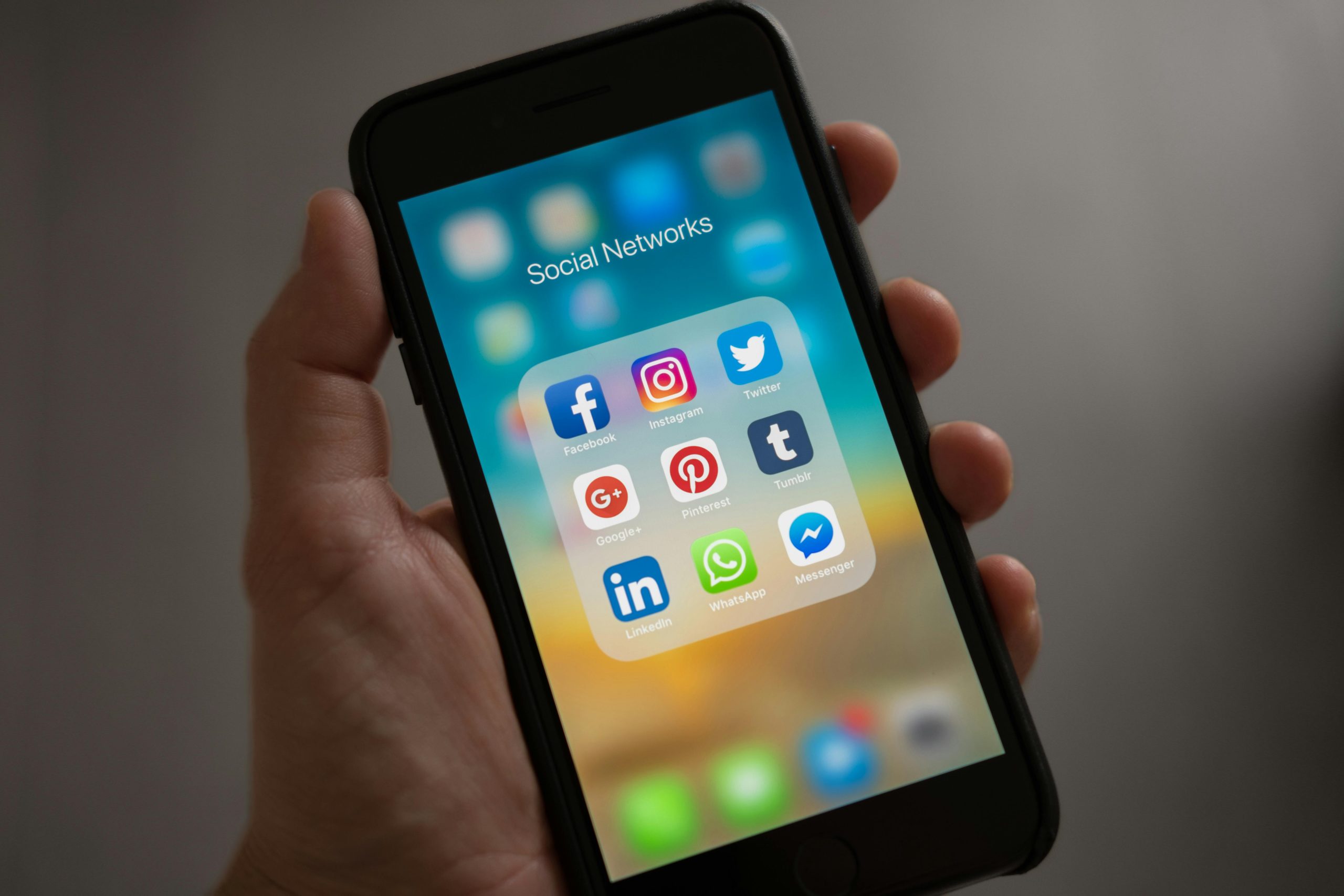
Last month, a landmark law took effect in Australia: a social media ban for all children under the age of sixteen. The government’s argument is clear: social media is deemed addictive to children and detrimental to their mental health, and thus, they would be better off without it. The project is closely watched all over the world, as similar initiatives are being considered in other countries such as France, the Netherlands and Malaysia. Although the sentiment is understandable and the effort admirable, a ban is not the way to go. It fundamentally misinterprets the actual problems of social media and presents a misleadingly simple way to fix them.
While among adults the debate around the law has been divided from the start, children in Australia seem to be generally unhappy with it. Smaller-scale alternatives to the banned apps, such as Yope and Lemon8, are trending in Australian app-stores and in a survey conducted by the Australian broadcasting company, 70 per cent of recipients thought the ban was a bad idea. And who can blame them? Probably everyone can recognise that a large part of young people’s culture nowadays is centred around the internet. Those hours many of us spend on there translate to memes and trends people all over the world can recognise and connect with. Moreover, social media has become increasingly important to our day-to-day communications and the way we connect with others. This is especially important for children belonging to marginalised groups, or who don’t fit in in some other way. LGBTQ+ young people, for example, especially those in rural or more conservative areas. Many still suffer from discrimination and harassment, according to a survey by queer youth organisation Minus18. The internet can be a safe haven to connect and meet like-minded people.
That is not to say, however, that critics who worry about children’s well-being on the internet don’t have a point. But their worries are, in a way, misguided. That social media is addictive is out of the question. Apps like TikTok monitor viewers’ reactions to videos, from likes to shares to simply how much time they spent watching them, in real time. This data is then used to quickly determine their interests, to keep recommending new and entertaining videos, and to keep people scrolling. At this point, we all know that empty feeling of waking up after accidentally doomscrolling for minutes or even hours. Children spend way less time playing outside or exercising, leading to health issues such as obesity or near-sightedness being more common. Misinformation, as well, of course, is a huge problem. Think of the absolute chokehold Andrew Tate had on young males a few years back, reminding us how easily accessible the alt-right pipeline can be. The thing is, however, that none of these issues applies only to children. People do not stop being susceptible to doomscrolling once they turn sixteen, or eighteen, or any other arbitrary age. It is also not like adults are suddenly much better at recognising misinformation on the internet. If anything, that is a skill that becomes better with the younger generations, who are more native to the online world.
The most used argument in favour of the law is that a ban would supposedly be beneficial to youth mental health. This, however, is hard to prove. Yes, there is a strong correlation between the rise of internet usage and the number of young people who struggle with mental health problems, but this is yet to be proven to be a causal relation. What research does find, however, is great diversity in the effects of social media. Those who already struggle with mental or personal matters are more likely to suffer from negative side effects. For others, there actually may be positive influences or, in most cases, no measurable effect at all.
So, yes, social media is a problem, but it is not necessarily a children’s problem. Acting like it is may distract from real, systematic solutions to handle the downsides of social media. The real problems are the addictive algorithms, the large-scale theft of personal data and the vast amount of misinformation and bot activity flooding the internet. To tackle this, we need to hold big tech companies responsible. This is, of course, complicated, as there will always be tension with the rights to free speech and personal freedom. If we necessarily do want a quick fix, are children the right demographic? If we want to battle misinformation, why not target those who can actually vote? If we want to limit the exposure of children to harmful content, then why not target those who predominantly produce it? If we want to provide a safe space for children to learn, experiment and communicate, then let me propose the following: ban social media for all adults.
Disclaimer: This article was entirely human-written without the use of Artificial Intelligence.
Further reading:
https://www.digitalfreedomproject.org.au
https://apnews.com/article/malaysia-social-media-ban-under-16-1e9e20321c8c83c470ff7489139f10b8
https://www.theguardian.com/australia-news/2025/dec/09/australia-under-16-social-media-ban-begins-apps-listed https://www.starobserver.com.au/news/the-social-media-ban-is-here-this-is-how-it-will-impact-queer-youth/239911